Foam mattresses are designed to provide varying levels of contouring comfort, support, and pressure relief by using high-density or memory foam layers. This category highlights how foam constructions can conform to body curves, promoting spinal alignment and reducing motion transfer for restful sleep. Key features often include enhanced durability, temperature regulation, and customizable firmness options.
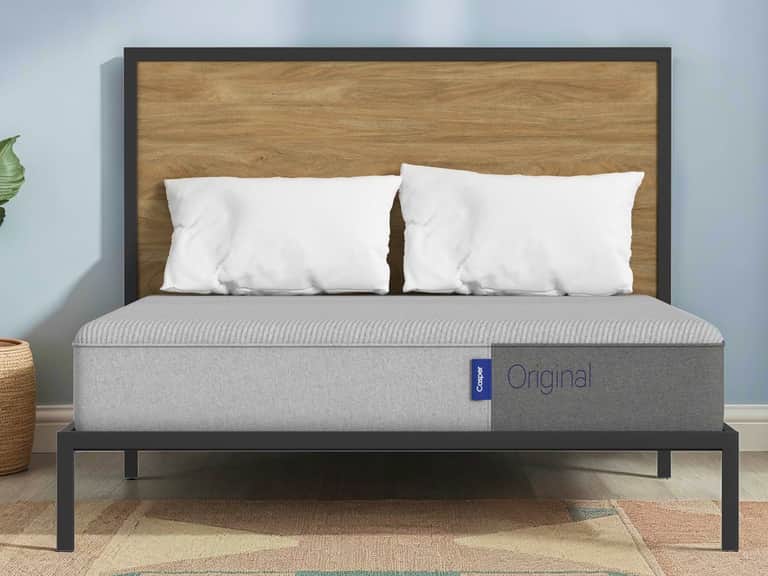
Original Mattress features a multi-layer foam system that balances support and comfort, with zoned or transitional foams to accommodate different sleeping positions. Benefits typically include targeted pressure relief for hips and shoulders, plus edge support to maximize sleeping surface without creating dead zones. This model emphasizes long-term resilience and consistent feel over time.
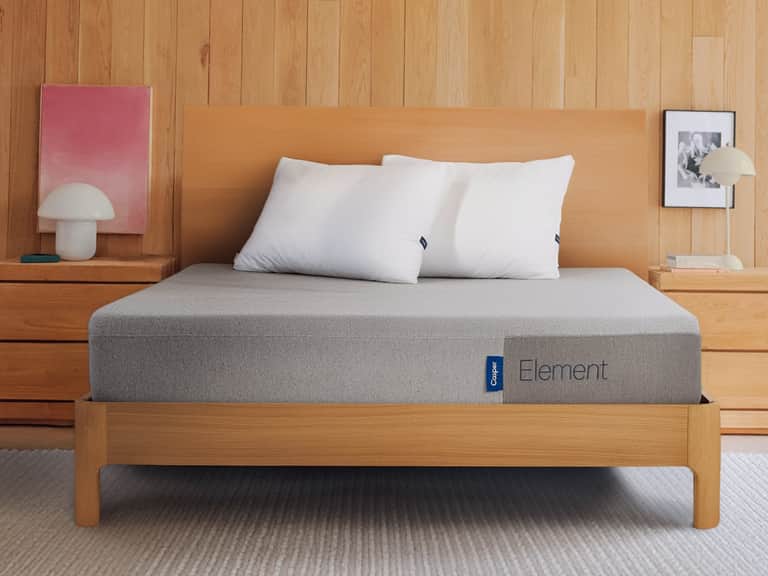
Element Mattress combines open-cell or memory foam foams with breathable cover assemblies to improve airflow and regulate ambient temperature. This design aims to minimize heat buildup while maintaining pressure relief, making it suitable for hot sleepers. The mattress often incorporates motion isolation, ensuring minimal disturbance for partners.
When evaluating foam mattresses, consider density, ILD (indention load deflection), and layering strategy to determine overall comfort and support. Higher-density foams tend to offer durability and support, while lower-density foams provide a plusher, more immediate contour. Certifications and eco-friendly materials may also influence selection and usage longevity.
In the context of bedding, latex and organic mattress options sometimes intersect with foam technologies, offering alternative textures and resilience. Understanding how layers interact—such as transition foams, comfort foams, and protective covers—helps clarify suitability for various sleepers and sleep environments, including considerations for sheets and pillows in a complete sleep setup.
 Mattresses